
Let me set the scene: it’s fall in Philadelphia, 1981. I’ve just arrived at college, and I think I know a thing or two about Top 40 radio having worked in Allentown radio since I was 14 (not to brag too much). And then WCAU-FM becomes “Hot Hits” and shatters everything I thought I knew. Beyond the loud repetitive jingles sometimes running three times in a row, and a screaming night jock, Hot Hits literally played nothing but the 30 most popular songs over and over.

Songs rotate every 45 minutes, maybe quicker. There’s no Gold. There’s no such thing as a Recurrent! The Top 5 songs play every hour. It’s only the 20 or 30 titles in fast rotation. Overnight, I hear it blaring out of every dorm room and passing car.
Before Hot Hits launched, few songs on the playlist were even playing on the radio in Philadelphia. Where did consultant Mike Joseph find them? First, his rule was to play anything that charted, regardless of genre. Second, he called record stores personally to ask what songs were really selling.
Joseph told people he could build the station on 3 songs. That’s all he really needed, and he was probably right. How many songs do you LOVE right now and need to hear the minute you get in the car? All my daughter and I need is Ella Langley on repeat!
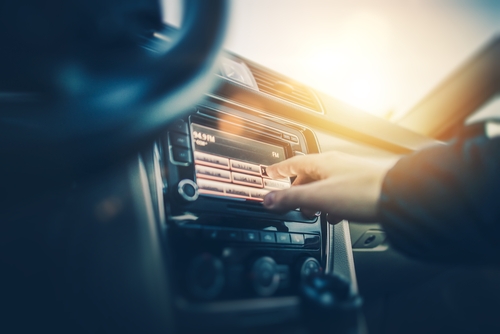
Do I really think we need to bring back Hot Hits the way it was in 1981? Not exactly, but I think there is a lesson in this story…
- Hot Hits gave the audience what they really wanted—the handful of songs that they absolutely loved. Almost like Spotify, you could hear what you wanted when you wanted it. Less waiting for that one great song.
- Hot Hits defied conventional thinking. It didn’t play Gold “because this format always did,” for example. And it wasn’t afraid to shout its name from the rooftops by playing its jingles over and over. Annoying, maybe, but so memorable I can hear it in my head 45 years later. It sure got people talking. And Hot Hits built rotations so that you would hear your favorite song almost instantly.
In some ways, Hot Hits is better than Spotify. Less work. Turn on the radio, and you’ll hear three amazing songs. Isn’t this a better match for today’s shorter usage patterns?
Building awareness of a new station is challenging without a massive marketing budget. So here’s my challenge: what formats can we turn upside down, shake out all the extras we added over the years, and just give the listeners what they really want?

Great read. Ella Langley rocks.
I like a 6-song sequence repeated at Top and Bottom each hour.
#1 This Day a Year Ago
Today’s Biggest Mover
In-Town Tonight (Hit single from touring artist local stop)
#3 Most-Streamed (Luminate, localized for our metro)
#2 Most-Streamed
(payoff out of stopset)
#1 Most-Streamed