
Last week in Denver at The Stream TV Show, one theme kept coming up in every session and hallway conversation: this industry is overwhelmed.
Not that long ago, most of us thought of TV in very simple terms: you had a cable or satellite provider, you paid your bill, and your shows lived in neat little channel numbers. Today, that world has exploded into a messy, crowded landscape of apps, passwords, bundles, and feeds. Streaming now accounts for roughly half of U.S. TV viewing time, but that viewing is spread across dozens of services and countless channels.
For many viewers, it doesn’t feel like freedom—it feels like chaos.
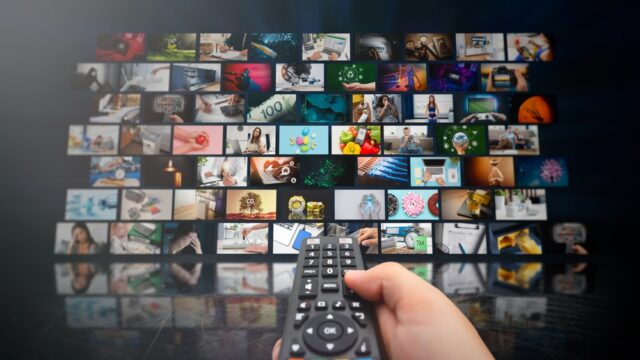
One of the most confusing parts of this new world is something most people have never heard of, at least in the way the industry describes it. FAST channels. FAST stands for “Free Ad-Supported Streaming TV,” and it powers services like Pluto TV, The Roku Channel, and Tubi—places where you can watch TV for free, as long as you’re willing to watch ads.
Here’s the mind‑bending part: globally, there are by some estimates over 2,000 FAST channels, and that number has jumped by roughly 40–70% in just the last couple of years. That’s everything from “90s Sitcoms” channels to “True Crime All Day” channels to ultra‑niche feeds built around a single show. Like high-speed police chases? There’s a FAST channel for that.
From the industry’s point of view, this sounds great: all that content, all those ad slots. But in reality, there’s so much inventory that there’s no realistic way to sell it all, and there’s no single, standard playbook for how to charge for it or measure success. For most consumers, these channels blur together. You might vaguely know Pluto or Tubi, but you probably can’t name more than a handful of FAST “brands” that really mean something to you.
In other words: the supply is huge, the business model is squishy, and the viewer’s brain is overloaded.
At the same time, something very different is rising on the other end of the spectrum: microdramas. Microdramas are ultra‑short, mostly vertical dramas designed for your phone—episodes that run one or two minutes, built around cliffhangers that keep you swiping.
These formats started in China, where short‑form “duanju” dramas exploded and built a multibillion‑dollar market. Now, apps like ReelShort, DramaBox, and others are pushing similar content in the U.S. and around the world.
On the one hand, you can see how microdramas are fun, addictive, and perfectly designed for the way many of us watch video. On the other hand, they raise uncomfortable questions.
- Do microdramas make the consumer more or less likely to watch the original work? More or less full-length programs overall? After all, there are only so many viewing hours in the day.
- What happens to the craft of storytelling when a “season” is 80 episodes that are all two minutes long?
- How does this affect the value of the original shows and the actors whose likenesses or story worlds may be repackaged into tiny, snackable pieces?
It’s innovation, but also a serious challenge to the integrity and economics of traditional TV.
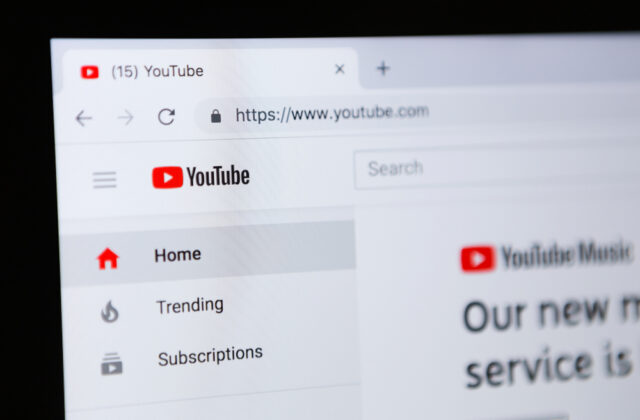
If all of this feels overwhelming, remember that there’s one platform quietly sitting at the center of it: YouTube.
By some recent measures, YouTube is the single largest streaming destination on the TV screen in the U.S., with around 11–13% of total TV viewing—more than individual subscription services like Netflix, Disney+, or Prime Video. When you add in YouTube on phones and laptops, plus Shorts and creator channels, it’s easy to imagine a future where YouTube is the default place you go for almost everything: shows, movies, music videos, podcasts, sports highlights, live streams, and short‑form.
One of the buzzwords at the Stream TV Show was “fandom.” Everybody wants to tap into superfans—of shows, sports teams, genres, creators, or universes—because passionate fans are loyal, vocal, and more willing to pay or engage.
The problem is that fandom itself is fragmenting. Viewers are spread across:
- Subscription streamers (Netflix, Disney+, Prime Video, and so on)
- Free platforms and FAST channels
- Social video feeds on YouTube, TikTok, Instagram Reels
- Microdrama apps and niche communities
Even within a single show, the fanbase might be fragmented: some watch full episodes on a subscription app, some only see highlight clips on YouTube, some mostly consume memes or short scenes on TikTok.
From a brand or content creator’s point of view, that makes it harder to answer basic questions:
- Where are my fans actually spending time?
- What “version” of my content do they care most about?
- How do I build a relationship that isn’t lost in the noise?
So what do you do in this wild west? This is where better research—not just more data and dashboards—can make a real difference, both for viewers and for the people making and marketing content.
By asking people how they actually discover, sample, and stick with shows across apps and devices, researchers can help companies design viewing experiences that feel more intuitive—less like a maze, more like a well‑lit path.
Right now, FAST often feels like a giant pile of channels you flip through without really noticing who’s behind them. Research can help answer questions like:
- Which FAST services and channels have any real brand meaning for viewers?
- What makes certain free TV brands feel trustworthy, fun, or “worth my time”?
- How do viewers respond to the ad experience—are the breaks too frequent, too long, too repetitive, too irrelevant?
It’s easy for traditional TV people to roll their eyes at two‑minute microdramas. But the numbers say they’re not going away any time soon. Research can dig into:
- Who is watching them and why (escape, convenience, curiosity, social buzz)?
- Which story types and tones actually resonate versus feel disposable?
- How viewers feel about the way actors and IP are used in these formats.
That insight lets creators and rights‑holders make smarter choices: when to embrace microdramas as an extension of a universe, when to protect a brand’s integrity, and how to design short‑form storytelling that feels additive rather than cheap.
Finally, if fandom is the new currency, we need better ways to measure it across platforms. That might mean:
- Asking fans not just “What do you watch?” but “Where do you participate?” (comments, Discord, live chats, fan edits, podcasts). Why are you a fan?
- Tracking how often people seek out a show or universe, not just whether it appears in their auto‑play feed.
- Linking sentiment—how people feel about a show or franchise—to their behavior across YouTube, streaming apps, social media, and live events.
Done right, research turns fragmented signals into a clearer picture of where fandom is strongest and how to nurture it.
Behind the scenes, smarter research can help turn this chaotic ecosystem into something that feels more human: fewer confusing options, more clearly defined brands, and stories that respect both your time and your intelligence. That’s the work Sam Milkman and I came home from Denver thinking about—and it’s only going to get more important as the wild west of streaming keeps expanding.
