
This is the first in a three part series examining the differences between Country and CHR.
A lot of programmers who built their careers in CHR have made the move to Country. Bringing CHR-style imaging, engaging promotions and fresh personalities has helped Country stations topple heritage competitors, reinvigorate brands and attract younger listeners since the 80s.
But if you’re one of those CHR pros now programming Country, does it make sense to approach your new music the same way you would for CHR? Do Country listeners warm up to new music and get tired of hearing the biggest hits the same way CHR listeners do?
Last year, we examined how listeners consume new music in the CHR universe when they control the music they hear on streaming services such as Spotify and YouTube. Now, we examine how Country fans consume new music. Specifically, we analyzed 26 consecutive weeks of Billboard Top 10 Country Streaming Songs Chart (from March 28th, 2015 through September 19th, 2015) to determine the age of the Country songs listeners play most when they pick which songs they hear. We then pegged each song’s vintage to when it first entered any of Billboard’s Country charts, so that we can see when each song first entered the public consciousness, not when the record company released it.
What did we learn? If you treat Country as if it’s CHR from Nashville, you’re making a mistake.
It typically takes 13 weeks for Country listeners to warm up to a new song.
That’s a slower warm up time than CHR, where it typically takes eight weeks for a song to become a Top 10 most streamed song. Eric Church’s “Like a Wrecking Ball” took 13 weeks to become a Top 10 hit on the Country streaming chart. Blake Shelton’s “Sangria” took 14 weeks. “Buy Me a Boat” from Chris Janson took 20 weeks to work its way up to the Top 10 most streamed Country songs list.
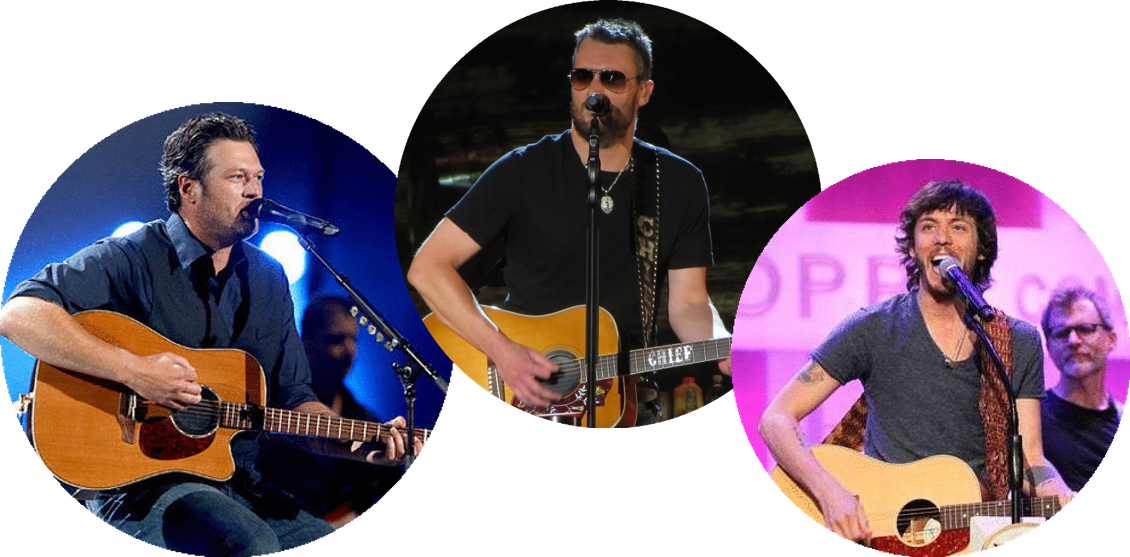
Sure, there are some songs that become big hits faster. Luke Bryan’s “Strip It Down” and “Kick the Dust Up” both hit Top 10 in streaming after only four weeks. Keith Urban’s “John Cougar, John Deere, John 3:16” and Thomas Rhett’s “Crash and Burn” took only eight weeks. For most songs, however, if you’re used to CHR, you need to slow down your timeframe to match your audience’s speed—your listeners typically need 13 weeks to warm up to new songs.
Bottom line: If you’re giving up on new songs before 13 weeks, you’re not giving them enough time to grow.
Country listeners typically want to keep hearing the big hits for 28 to 44 weeks
In CHR, listeners are typically sick of songs once they’re between 20- and 28-weeks-old. That’s when listeners generally stop playing CHR hits on Spotify and YouTube. That’s also when the Integr8 New Music Research Hitcycle® measure shows listeners think most CHR songs are past their prime. In CHR, moving songs out of currents once they’re 26 weeks old is generally the right move. In Country, however, that’s exactly when listeners are typically most into hit songs. Fifty five percent (55%) of the Top 10 most streamed Country songs are between 13- and 36-weeks-old. In comparison, the majority of the Top 10 most streamed songs in CHR are 8- to 24-weeks-old.
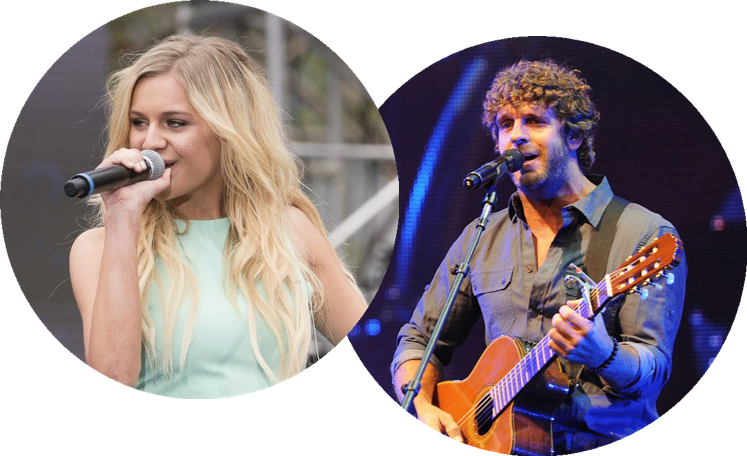
“Like A Wrecking Ball” by Eric Church didn’t drop out of the Top 10 Country streaming chart until it was 31 weeks old. Billy Currington’s “Don’t It” stayed Top 10 until it was 39 weeks old. Kelsea Ballerini’s “Love Me Like You Mean It” was Top 10 all the way until its 42nd week on the charts.
Bottom line: If you’re automatically moving Country songs out of your current categories at 26 weeks, you’re moving songs when listeners still want to hear them a lot. Most Country songs stay Top 10 until 28 to 44 weeks.
In our next CHR vs. Country blog post, we’ll examine another key difference between the two; the role of recurrents.
