Introducing something new to your audience can be exciting. New features and components can invigorate and grow your brand and activate your target consumer. How you introduce something new, however, is paramount to its potential success.
In 2021, Hertz announced it would purchase 100,000 Tesla Model 3s for its fleet in an attempt to become the electric vehicle leader in the rental car category. There are many strategic reasons this may be a great play for Hertz. Some projections predict electric vehicle sales will reach at least 40 percent of the US market by 2030. Hertz can position itself as a leader in climate initiatives. As more consumers adopt electric vehicles, Hertz can potentially own the electric vehicle image among rental car companies with a “first in wins” strategy.
While all of this makes sense, when I recently visited multiple Hertz lots, it was striking how many electric vehicles were available, including a row of Polestars, a luxury electric vehicle that starts at $55,000. When I made the reservation, I discovered I could rent a Tesla for less than the price of an Intermediate sedan. While at first, I wondered how this could be, the feeling I had while I stood next to one of the Polestars thinking, “Why am I doubting getting this car” provided me some clarity.
I’m 50 years old and have never driven an electric car.
This is going to sound absolutely stupid, but when I got in the car and pressed the power button, I thought it wasn’t working because it was silent. It didn’t take me too long to realize that just putting the car in Drive made it go, but I was so used to hearing at least some engine noise in my 34 years of driving, it was confusing at first.
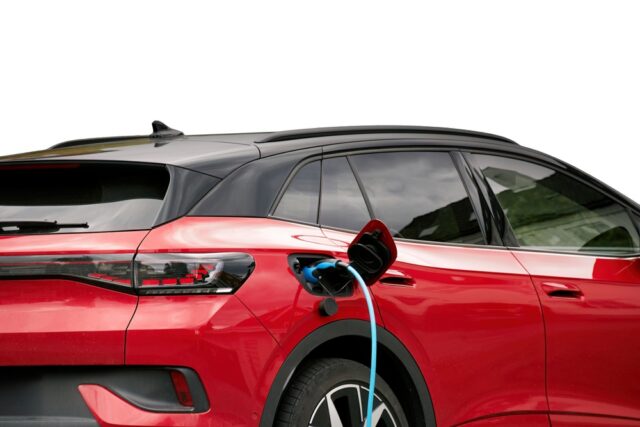
I was asked by the attendant, do you want to bring it back charged or pay a flat fee to bring it back at any level? This brought a new level of anxiety. Everyone knows it’s more fiscally efficient to refill the gas tank of a rental yourself instead of paying a fee, but you need to do it relatively close to the return center so it’s filled up.
Where will I charge the car near the rental center? How much will it cost? I’m sure it’s not that complicated, but how do I charge it? Again, I’ve never driven an electric car. That’s when I realized that I wanted to drive an electric car, but I wasn’t an educated consumer. Perhaps that’s why there are so many electric cars on the lot and Teslas are so affordable, due to current supply and demand. I know I’m not alone…though growing, EVs only make up about 6% of US car sales today.
So while this may be a great long-term strategy for Hertz, it does face a challenge in the short term. And to be fair, the company is making efforts to educate consumers on electric vehicles, including in communities and on their website. But I didn’t see any of the information until researching for the blog (after my experience), and no attendant offered assistance at the lot. Ultimately, I’m sure they’ll figure it out and adoption will become easier as more consumers drive electric vehicles.
In the meantime, however, consider how the lessons of this experience can impact how you introduce new features or components to your brand.
- Explain in clear terminology. Is your radio station playing more Hip Hop every hour? Is your podcast now available on YouTube Music? Is there a new way to ask for your show on a smart speaker? Don’t be cute about it, make the change clear.
- Consider every possible marketing channel. This is a big one in the Hertz example. Yes, Hertz has something on their website about electric vehicles. Yes, they are planning outreach programs. But at the point of purchase (when I was selecting a car) and at the point of retrieval (the lot), I could not find the information and service I needed to give me the confidence to rent an electric vehicle. I’ve since discovered apps like PlugShare and ChargeHub to help find charging stations, which I may have known about if I was an EV owner but didn’t as a renter. It sure would have been nice if nearby charging stations were available in the Hertz app. Consider all the points of customer contact for your brand where you can educate them about the change.
- Utilize Outside Thinking. Inside Thinking is the perspective of the business. Outside Thinking is the perspective of the consumer. When making changes, remember that the consumer doesn’t know or understand the brand on as deep a level as you. Think about how the customer will perceive the change and what questions they will ask when considering how to communicate.
While I usually stick with gas-powered cars, I did end up driving the Chevy Bolt and enjoyed the experience.
But worrying about charging up before returning the car still kinda freaks me out.