Tag Archives: tv

Streaming TV’s Brand Problem: Too Few Images

We have been studying streaming TV brands over the past few months to help apps strengthen their position in this evolving market. Of course, there are many streaming brands that consumers know and use regularly. But our interest is in brand development: are these brands building images—perceptions tied to the attributes that matter most to viewers? Those images are essential if an app is going to build an enduring brand position: a place in consumers’ minds. That’s how usage translates into loyalty and a long-term relationship.

So far, we’ve learned that few streaming brands hold strong images or positions. That’s a categorical vulnerability—but also an opportunity for any brand focused on owning a valuable position. What app offers the best live events, for example? Our findings suggest that no brand is known for that position yet. Without strongly developed images, streaming services are nothing more than disposable utilities, reliant solely on the content they produce in the moment.

What’s also clear from our research is that many streaming brands don’t mean what they’re intended to mean. Their brands stand for something else—and that makes it harder for them to establish a strong, focused position in the streaming market. Here I’m talking about YouTube, Amazon, Disney, and Apple. More specifically: YouTube TV, Prime Video, Disney+, and Apple TV.
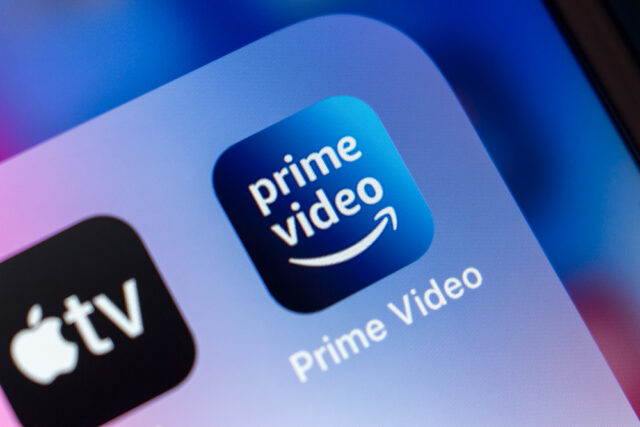
Apple and Prime Video have confusing images with consumers thanks to other perceptions. (Credit: Koshiro K / Shutterstock.com)

To many consumers, YouTube means user-generated videos where you figure out how to replace the battery in your nostril-hair trimmer (at least that’s what I use it for). YouTube TV is a paid subscription service that replaces traditional cable. See the problem? Amazon Prime is a delivery service that shows up at my house with batteries for my nostril-hair trimmer. Prime Video? Oh yeah—I can watch videos through my Prime membership, and that’s what they call it. Disney is family entertainment: from theme parks to movies. Yes, they have a Disney+ app that’s known for similarly themed content. Surely the app benefits from the massive equity of the Disney name, but it’s a bit of a walk before consumers connect the “+” specifically to the streaming product.

And then there’s Apple, which means great electronics—computers, phones, iPads, AirPods—and music. Everything that entertains, maybe. But in truth, the name Apple is far too broad to attach to just music or just streaming video. While I’m not trying to tell these amazingly successful companies how to run their businesses, they may be better off creating powerful individual brands that can stand on their own.

So…what’s your brand again? An extension of something bigger and broader that helps—but also slows you down? Or a unique, powerful, focused, meaningful name? A disposable utility—or a deeply understood brand?
What Show Is Everyone Talking About?

Tuesdays With Coleman

What are you watching?

What are you listening to?

If you ask your friends these questions, you will get a broad array of answers. Maybe that was always the case, but I feel like I am finding it harder and harder to find something to talk about with my friends that all of us watch or listen to regularly. I mean, like every episode or every day.

And as a result, there’s less to talk about other than “you should check out Evil Genius on Netflix, it is really good.” Or The Final Year on HBO—a documentary about the last year of the Obama administration.

Music or podcasts? The list of things we’re all listening to gets shorter and shorter while the list of offerings gets longer and longer. That may be my subjective feeling, but I don’t think I am alone. Yeah, most of my friends listened to Serial. Not much anymore.

To me, this makes it harder to connect with some people. We watch and listen to different things, and so we can share “lists”.  But we’re not having deeper conversations about what we thought or learned.

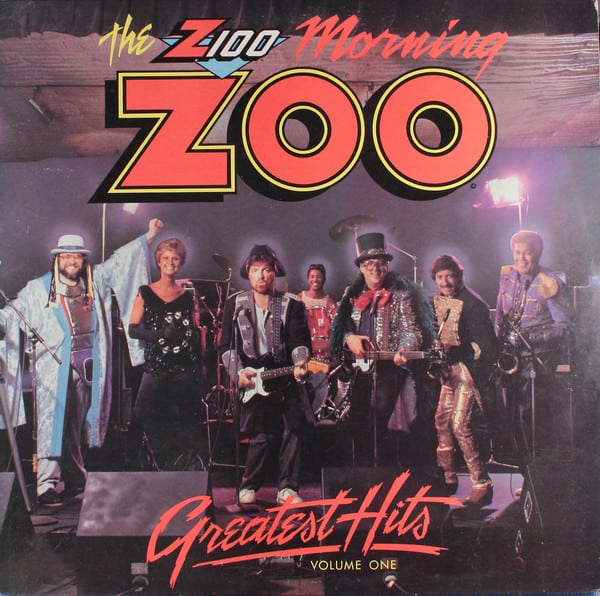
Again, maybe it was always the case. But I remember a time in New York when if you weren’t listening to the Morning Zoo on Z100 you really felt out of it.

Z100 morning zoo whtz new york

Sorry to get nostalgic, but I remember when “Must See TV” actually meant something.

The number one show on TV at the end of May was NCIS with a 7 rating. In 1998, the top of the list was filled with ER, Friends, and Frasier – each of which had a 15 rating or higher. There was simply a better (in fact, double) opportunity for water cooler commonality.

What a difference 20 years makes.

What can we do as broadcasters to “make the list” of stations or shows people talk about and recommend to their friends?

It has to start with an understanding of what the audience really wants. And the creative work to come up with something so unique and memorable that people want to talk about it.

The Sopranos took television to a higher level and arguably changed how we consume it. The Sopranos:

  • Gave us serial storytelling;
  • Delivered higher production values than we were used to seeing;
  • Singlehandedly changed the fortunes of a network and inspired the launch of other pay-TV networks and original programming.

Making something everyone will talk about is easier said than done. There are a few things I believe transformative breakthroughs have in common:

  1. It sounds or looks like something you’ve never heard or seen before.

At first, it may even feel wrong or out of place. There are too many examples of Howard Stern’s innovations to list here, but Howard regularly challenged the audience with what they knew about personality radio. This ranges from authenticity and transparency to topic choices and interviewing technique.

  1. The people making it are psychotically passionate about it.

The authentic, intense and passionate dialogue between Mike and the Mad Dog co-hosts Mike Francesa and Chris Russo not only led to a long run in New York, it had a significant impact on the medium of radio.

When it launched in July 1987, WFAN billed itself as the first radio station completely dedicated to sports talk. Thanks in large part to the success of Mike and the Mad Dog, the number of sports formatted stations grew to 500 by 2005 and to 790 today (with many markets featuring multiple sports stations).

  1. It changes the paradigm.

The Breakfast Club, based at Power 105.1 in New York, has altered the way radio programming is consumed in the digital landscape.

The Breakfast Club Power 105.1 New York

Their YouTube channel has over 2.2 million subscribers. Their interview in which hip- hop artist Birdman furiously leaves the studio because he didn’t like the line of questioning by co-host Charlemagne Tha God, has over 14 million views and counting.

The show has garnered recognition and a following beyond the way people have traditionally recognized and interacted with radio personalities.

In our experience with radio research, we look for brands to show up as highly recognized and favorable. We want to see personalities are well-liked and memorable.

These things often lead to strong lasting ratings performance for the station.

So, we’re at a crossroads. We can give up and say the world is too fragmented.

Or, we can double down and create never heard before, “paradigm changing” experiences that everyone will be talking about.

We vote for the latter.