
Tag Archives: Disney+

Streaming TV’s Brand Problem: Too Few Images

We have been studying streaming TV brands over the past few months to help apps strengthen their position in this evolving market. Of course, there are many streaming brands that consumers know and use regularly. But our interest is in brand development: are these brands building images—perceptions tied to the attributes that matter most to viewers? Those images are essential if an app is going to build an enduring brand position: a place in consumers’ minds. That’s how usage translates into loyalty and a long-term relationship.

So far, we’ve learned that few streaming brands hold strong images or positions. That’s a categorical vulnerability—but also an opportunity for any brand focused on owning a valuable position. What app offers the best live events, for example? Our findings suggest that no brand is known for that position yet. Without strongly developed images, streaming services are nothing more than disposable utilities, reliant solely on the content they produce in the moment.

What’s also clear from our research is that many streaming brands don’t mean what they’re intended to mean. Their brands stand for something else—and that makes it harder for them to establish a strong, focused position in the streaming market. Here I’m talking about YouTube, Amazon, Disney, and Apple. More specifically: YouTube TV, Prime Video, Disney+, and Apple TV.
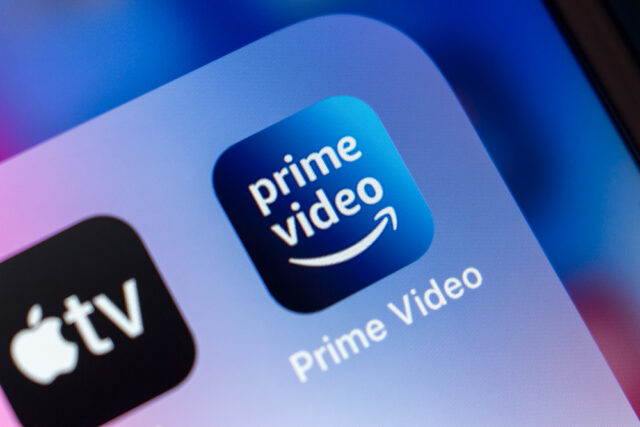
Apple and Prime Video have confusing images with consumers thanks to other perceptions. (Credit: Koshiro K / Shutterstock.com)

To many consumers, YouTube means user-generated videos where you figure out how to replace the battery in your nostril-hair trimmer (at least that’s what I use it for). YouTube TV is a paid subscription service that replaces traditional cable. See the problem? Amazon Prime is a delivery service that shows up at my house with batteries for my nostril-hair trimmer. Prime Video? Oh yeah—I can watch videos through my Prime membership, and that’s what they call it. Disney is family entertainment: from theme parks to movies. Yes, they have a Disney+ app that’s known for similarly themed content. Surely the app benefits from the massive equity of the Disney name, but it’s a bit of a walk before consumers connect the “+” specifically to the streaming product.

And then there’s Apple, which means great electronics—computers, phones, iPads, AirPods—and music. Everything that entertains, maybe. But in truth, the name Apple is far too broad to attach to just music or just streaming video. While I’m not trying to tell these amazingly successful companies how to run their businesses, they may be better off creating powerful individual brands that can stand on their own.

So…what’s your brand again? An extension of something bigger and broader that helps—but also slows you down? Or a unique, powerful, focused, meaningful name? A disposable utility—or a deeply understood brand?
Disney+, Decision Paralysis and Your Brand

Tuesdays With Coleman

Just when you thought you didn’t need another entertainment option, Disney+ has proven you wrong.

At least 10 million people agreed when they added the new streaming service…in the first 24 hours it was available.

I was one of the 10 million and as we watched The Mandalorian (OMG, Baby Yoda!) and browsed the treasure trove of content including choices from Pixar, Marvel, Star Wars and even National Geographic, my 16-year-old son looked in my eyes and said, “This is going to be a real problem for me.”

It’s a real problem for everyone. Back in the summer of 2018, my colleague Sam Milkman wrote about the continuing fragmentation of entertainment options. His contention was that because of the amount of choice, we simply don’t have as many shared experiences anymore. We’re talking about different shows on different platforms, which means we’re not hitting critical mass, which makes it harder and harder to grow organically and break through. Sam’s keys to content becoming something everyone is talking about is a) it sounds and feels new and unique; b) it generates high levels of passion and c) it changes the paradigm.

We know this challenge isn’t going to get easier for entertainment brands, but new research validates what my son is feeling. According to Nielsen, 18- to 34-year-olds spend as much as nine minutes just trying to figure out what to watch, a phenomenon referred to as “decision paralysis.” And that’s just video streaming. What about the audio options, like radio, Spotify, Pandora and iHeartRadio? And the 750,000 podcasts available to listen to right now?

The decision paralysis facing video streaming users has inspired the launch of services like JustWatch and Decider, which make finding that show or movie you’re looking for searchable in one place.

What can audio brands do amidst this endless sea of options?

Sam’s advice still applies. It’s easier said than done, but it’s important to find ways to differentiate, build a cult following and break new ground.

Additionally:

  1. Branding and strategic research has never been more important.

If you’re primarily focused on tactical measures, you’re going to miss the opportunity to properly define your brand and ensure the content fits the brand. Listeners will not choose your brand because of a promotion or because you’ve tried to game the ratings. They will choose it because the brand relates to them.

  1. Simple messaging is more critical than ever.

Focused messaging has always been important. But there’s never been this much noise. Warren Kurtzman recently shared new research that validates the need for focus in his blog post, “Too Many Messages!”

  1. It’s crucial to make your brand easy to consume.

There’s some irony in that radio and TV are often meant to provide escapism from the chaos of the real world, but now we’ve added chaos to the process of escaping. If your radio station or podcast is perceived as easy to find, easy to use, simple to understand and comfortable to listen to, it may have an advantage by truly providing shelter from the storm.

Your listeners need relief from decision paralysis. Will you help them?

As OG Yoda would say, “Do or do not. There is no try.”